

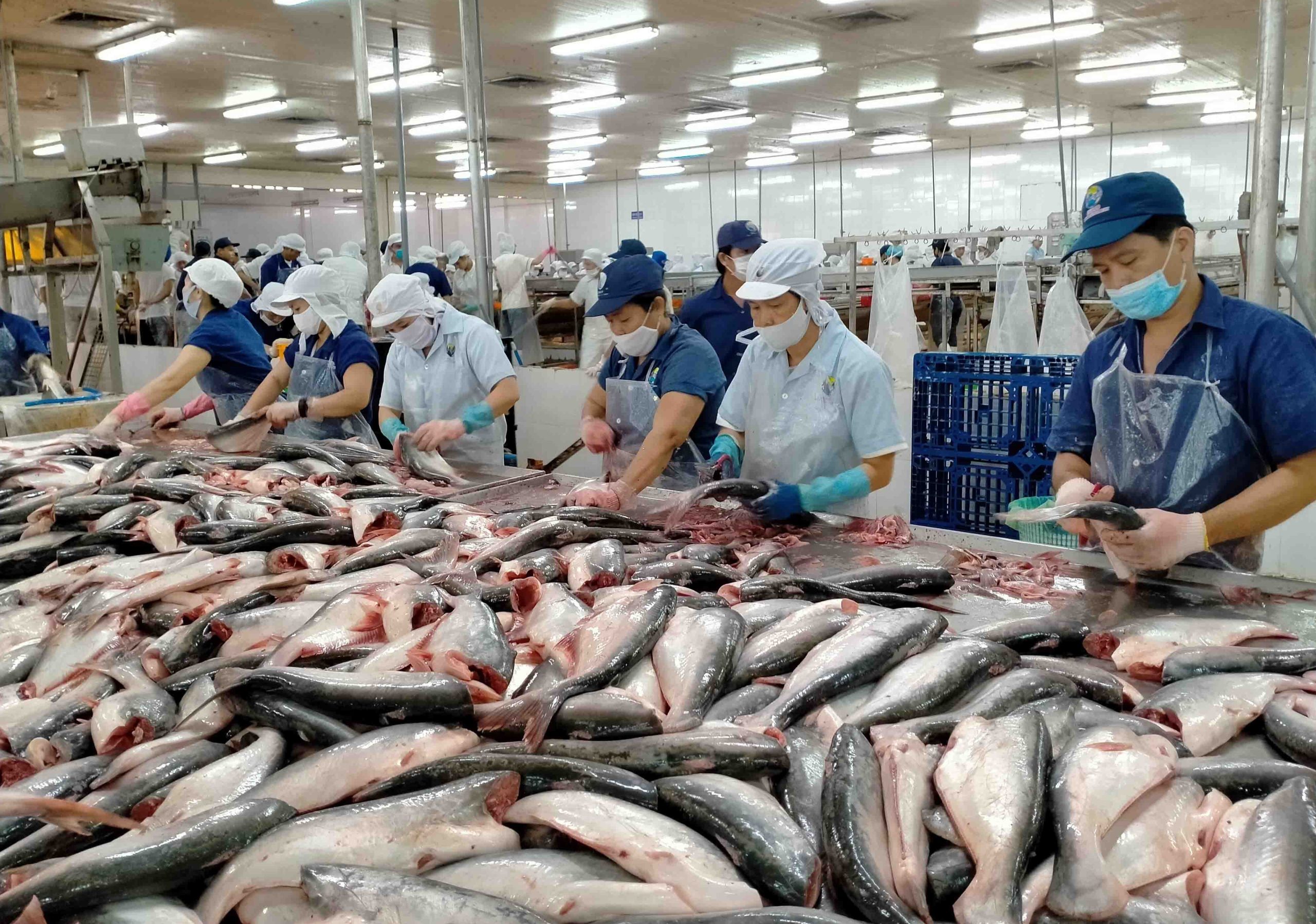
In the first months of 2026, the pangasius market in the Mekong Delta recorded an unprecedented surge in prices in recent years. The price of commercial pangasius (0.8–1 kg/fish) in key farming areas such as Dong Thap, An Giang, and Can Tho is currently around 35,000 VND/kg, 5,000–7,000 VND/kg higher than previous price increases, bringing significant profits to farmers after a long period of losses.
With average production costs of around 24,000–26,000 VND/kg, pangasius farmers can achieve a profit of 8,000–10,000 VND/kg. This is considered a “dream” profit margin for many farming households, given the high prices of feed, fingerlings, and capital costs over the past several years.
[Image caption] The main reason for the sharp increase in pangasius prices is believed to be the shortage of raw materials. Pangasius has a long farming cycle of 6-8 months, while the previous period of low prices caused many households to abandon their ponds, reduce stocking, or withdraw from the profession. When processing and export demand recovered, the amount of fish ready for harvest was insufficient to meet demand, creating significant pressure on purchase prices.Not only commercial fish, but the market for pangasius fingerlings also recorded a sudden surge. Cold weather and climate fluctuations caused high mortality rates in the breeding stage, leading to a scarcity of supply. Currently, pangasius fingerlings of 100 fish/kg are priced at around 1,000 VND/fish, while those of 30-35 fish/kg have at times reached over 90,000 VND/kg, many times higher than the usual price. The high price of fingerlings has made many farmers hesitant to restock, fearing the risk of a reversal in commercial fish prices.
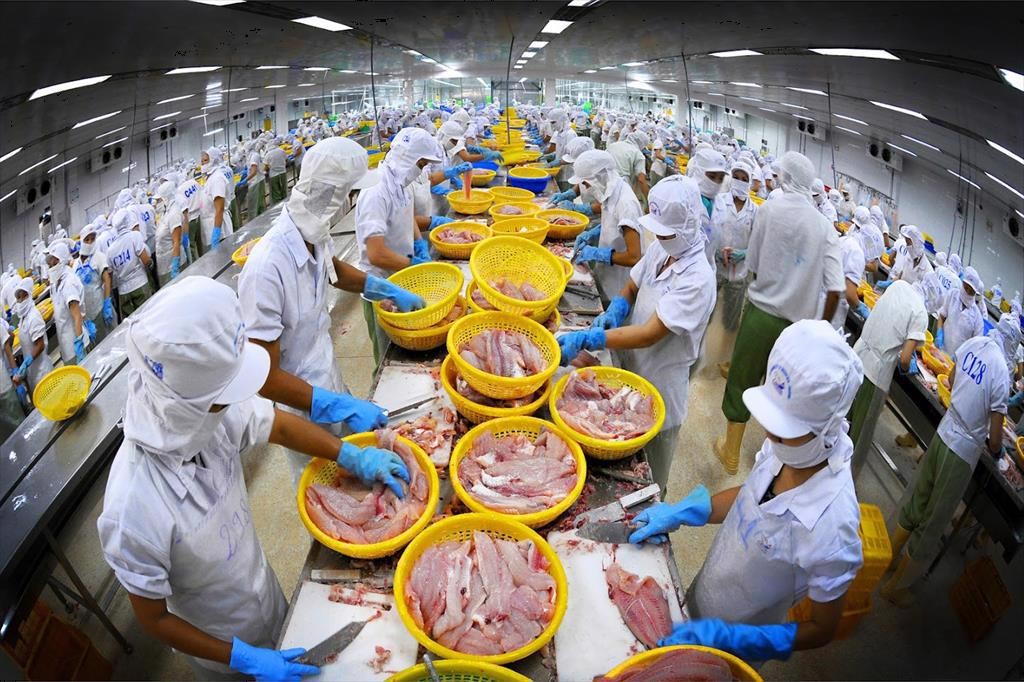
On the positive side, pangasius exports are thriving. In 2025, Vietnam’s pangasius export value is estimated to reach over US$2.1 billion and is expected to continue increasing in 2026 as demand from the US, China, Europe, and the Middle East recovers. However, the total farming area in the region remains low, at only about 6,000–6,500 hectares, insufficient to meet long-term demand.
Experts believe that the peak price of pangasius is a positive sign but also carries risks if production develops uncontrolledly. Controlling production volume, proactively securing high-quality breeding stock, and strengthening the supply chain from farming to consumption are considered key to maintaining stable growth in the pangasius industry and avoiding a repeat of the “rapid increase, sharp decline” cycle of the past.
–
Via: VASEP

 AQUA MATRIX